
Developed from ongoing research into how platelets function as adaptive biological signaling systems, TruDOSE is designed to calibrate platelet preparation using individualized biological information rather than uniform concentration models.
Platelets initiate healing—they send the signal that shifts the body from stress to recovery. Using proprietary metrics and analytics, we were the first to correlate the variables that interfere with repair into a precise platelet dose tailored to each patient.Instead of guessing, we assess where the body is and deliver a targeted treatment designed to activate and support natural self-healing.
That’s TruDOSE™.
Since 2018, TruDOSE™ has utilized patented technology to measure a patient’s own blood platelets and apply a structured, standardized process to create a personalized platelet treatment. From initial sample collection through preparation and administration, each step follows consistent protocols across participating clinical sites. The entire experience typically takes about an hour and is designed to be straightforward and minimally invasive.
(10min)
(5min)
(30min)
(10min)
(10min)
Since 2018, participating providers have explored TruDOSE within clinical environments focused on structured data collection and standardized preparation methods.
With TruDOSE, your own blood becomes the foundation of a disciplined, individualized preparation approach.
When the body is injured—or even stressed—it follows a natural healing sequence. This process happens in four main stages: hemostasis, inflammation, vascular remodeling, and tissue rebuilding.
Platelets play a central role in every one of these phases. But instead of thinking of them as simple clotting cells, it’s more accurate to think of them as the body’s cellular adaptogens—cells that help the body respond appropriately at every stage of healing.
When injury occurs, the body immediately moves into protection mode. This is the alarm phase.
Platelets rush to the site of injury and form a clot to stop bleeding. But they don’t just plug the hole—they release powerful signals that call in the rest of the healing team. In adaptogenic terms, platelets help the body respond quickly and appropriately to the initial stress. They stabilize the environment so healing can begin.
They are the first responders—but also the coordinators.
Next comes inflammation. While inflammation often gets a bad reputation, it’s a necessary part of healing. This is the resistance phase, where the body works to clean up damaged tissue and protect against infection.
Platelets help regulate this process. They release signals that guide immune cells, helping prevent inflammation from becoming excessive or prolonged. From an adaptogenic perspective, platelets help balance the inflammatory response—supporting it when needed, calming it when it goes too far.
They help the body resist stress without becoming overwhelmed by it.
Healing requires blood flow. In this stage, platelets release growth factors that stimulate the formation of new blood vessels. This ensures oxygen and nutrients reach the recovering tissue.
Think of it as rebuilding the infrastructure. Platelets help restore circulation so healing can continue efficiently. In adaptogenic language, they support resilience—making sure the system can sustain recovery rather than collapse into chronic dysfunction.
Finally, the body rebuilds tissue—replacing what was damaged with new, functional cells.
Platelets release signals that guide stem cells and other repair cells to regenerate tissue. This is where true recovery happens. Adaptogenically speaking, this is the restoration phase—where the body not only survives stress but rebuilds stronger and more stable than before.
Platelets are involved in every stage of healing—from the initial alarm to full restoration. They don’t just “clot blood.” They sense stress, release adaptive signals, regulate inflammation, rebuild circulation, and guide tissue repair.
That’s why we describe platelets as the body’s cellular adaptogen—they help the body adapt, respond, and recover through every phase of stress and healing.
And because platelets are adaptive, dose and timing matter. When delivered at the right dose, they can amplify the body’s natural healing sequence in a precise and coordinated way.
Understanding how the body coordinates its natural response to stress or injury helps explain why platelet biology matters.
When the body experiences stress or tissue disruption, a coordinated sequence of biological activity begins. This process involves signaling, inflammation, vascular coordination, cellular organization, and ongoing remodeling. Each phase plays a role in maintaining balance and structural integrity.
Here is a simplified overview of that sequence:
Once an injury or stress signal occurs, platelets in the blood participate in directing signaling activity toward specific areas. These signals help organize how biological resources are allocated.
Inflammation is a normal, time-limited part of how the body organizes access to biological resources. It creates the conditions for coordination and response.
Blood vessels and cells communicate to maintain organized movement of biological materials. This coordination allows resources to reach areas experiencing stress.
Over time, tissues and cells continue adjusting as part of normal biological maintenance and adaptation.
Platelets are a natural component of your blood and are involved in these signaling processes. Their concentration, composition, and signaling characteristics vary from person to person.
TruDOSE works directly with this platelet biology using consistent preparation methods guided by your provider within structured clinical settings.
TruDOSE follows a standardized process focused on clarity, consistency, and provider guidance.
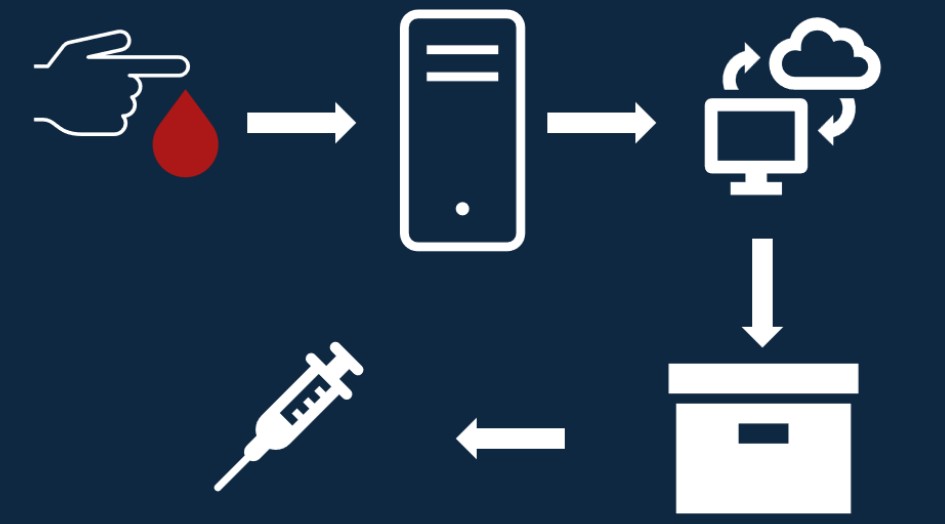
A small blood sample is collected to assess baseline platelet-related characteristics.
The sample is processed using proprietary analytical methods that organize and quantify platelet-related data.
A blood draw is performed to isolate platelet-rich components using standardized preparation procedures.
Prepared platelet components are administered by a participating provider following established clinical protocols, with each step guided to maintain consistency and clarity. From start to finish, the experience typically takes about an hour and is designed to be straightforward and structured.
A small blood sample is collected to assess baseline platelet-related characteristics.
The sample is processed using proprietary analytical methods that organize and quantify platelet-related data.
A blood draw is performed to isolate platelet-rich components using standardized preparation procedures.
Prepared platelet components are administered by a participating provider following established clinical protocols, with each step guided to maintain consistency and clarity. From start to finish, the experience typically takes about an hour and is designed to be straightforward and structured.
Individuals interested in how TruDOSE procedures are explored in practice can contact a participating clinic. Providers can share details, review informed consent materials, and explain what to expect.